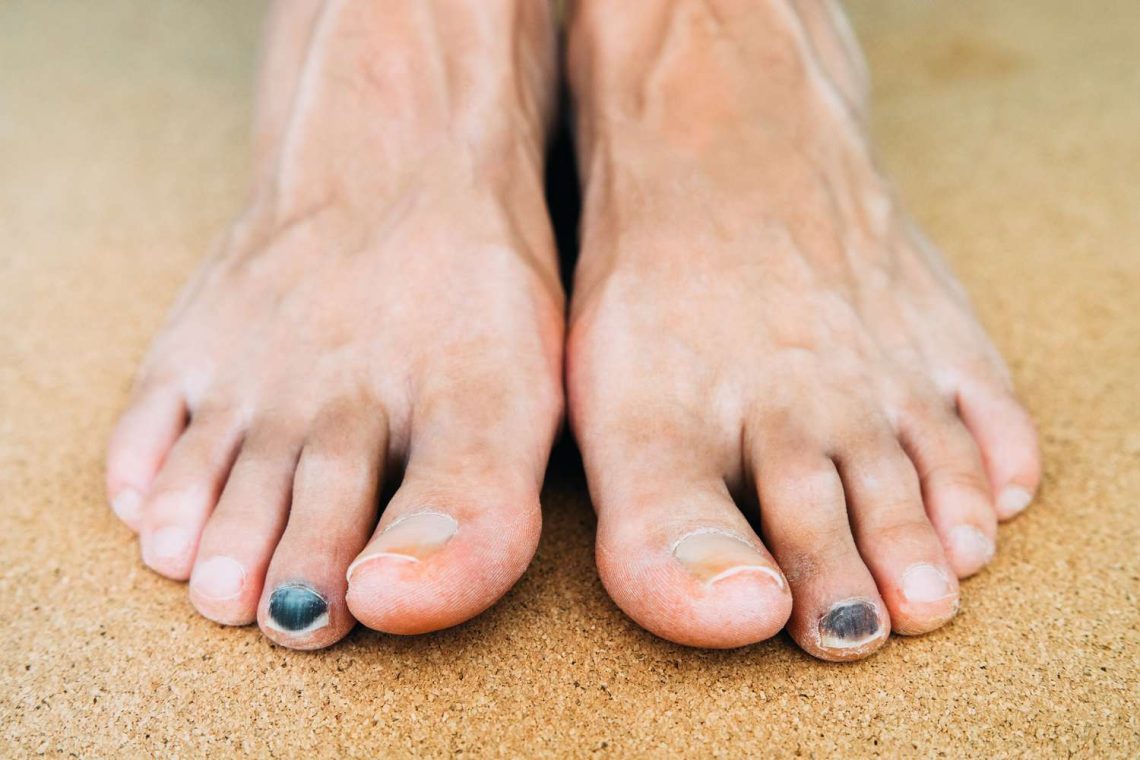
If you’re a runner, hiker, soccer player, or simply someone who loves a good, long walk, you might have glanced down at your feet and seen an unsettling sight: a toenail that has turned dark purple or black. While it might look alarming, a black toenail, medically often referred to as a subungual hematoma, is a common occurrence. Understanding its causes, risks, and how to manage it at home is key to keeping your feet healthy.
What It Is and What Causes It?
A black toenail is essentially a bruise under the nail plate. The black or dark purple color comes from blood and fluid trapped in the space between your toenail and the nail bed beneath it. This discoloration is the primary symptom, often accompanied by varying degrees of throbbing pain, pressure, and tenderness, especially in the first few days.
The most frequent culprit is repetitive trauma or pressure. This isn’t necessarily a single, sharp impact (like dropping a heavy object on your toe), but more often the constant, minor banging of your toenail against the inside of your shoe. Runners going downhill, hikers wearing ill-fitting boots, or dancers performing repetitive movements are classic examples. Other causes include:
- Ill-fitting footwear: Shoes that are too tight, too short, or too loose (allowing your foot to slide forward) are the #1 preventable cause.
- Sudden acute trauma: Stubbing your toe or something heavy falling on it.
- Fungal infections: In some cases, a dark discoloration can be caused by a fungal nail infection, though this often has additional signs like thickening, crumbling, and a foul odor.
- Underlying medical conditions: Rarely, it can be a sign of something more serious, like melanoma. A key difference is that a trauma-related bruise will typically grow out with the nail, while a suspicious mark remains in place.
Why Should You Care? The Potential Harms
While many black toenails are harmless and resolve on their own, ignoring them can lead to complications:
1. Pain and Discomfort: The pooled blood creates pressure, which can be quite painful, affecting your gait and activity.
2. Nail Loss: The pressure can separate the nail from its bed. The old nail will often fall off as a new one grows in underneath—a slow and sometimes awkward process.
3. Infection: If the trauma also created a small crack or opening in the skin or nail, bacteria or fungi can enter, leading to a painful, potentially serious infection. Signs include increasing redness, swelling, warmth, and pus.
Simple, Natural At-Home Care
For a recent, painful black toenail caused by trauma, you can manage it safely at home:
- R.I.C.E. Method Immediately: As soon as possible, Rest the foot, Ice the area (wrap ice in a towel, apply for 15-20 minutes), Compress gently with a bandage, and Elevate the foot above heart level to reduce swelling and bleeding.
- Epsom Salt Soaks: Soaking the foot in warm water with Epsom salts for 15-20 minutes, 1-2 times daily, can reduce inflammation and soothe discomfort.
- Keep it Dry and Clean: Ensure the area is thoroughly dried after bathing or soaking to prevent fungal growth.
- Protect the Nail: Cover it with a bandage or adhesive tape to prevent further bumping. Wear open-toed shoes or roomy footwear.
- Let it Grow Out: Patience is essential. The discolored nail will gradually grow out over 6-9 months. Do not forcefully pry it off.
Important: Do not attempt to “drill a hole” in the nail to drain the blood unless under sterile conditions by a medical professional, as this introduces a high risk of infection.
Prevention is the Best Medicine
Avoiding black toenails is often straightforward with a few smart habits:
1. The Golden Rule: Perfect-Fitting Shoes. Your running or hiking shoes should have a thumb’s width of space between your longest toe (which isn’t always the big toe) and the end of the shoe. Ensure a snug fit at the heel to prevent sliding.
2. Trim Toenails Properly: Cut nails straight across, not rounded at the corners, and keep them just shy of the end of your toe. Never cut them too short.
3. Choose the Right Socks: Wear moisture-wicking socks (synthetic or wool) that fit well. Avoid cotton socks that retain sweat and can cause slippage. For high-impact activities, consider padded running socks.
4. Lace Up Smartly: Use lacing techniques that lock your heel in place and prevent your foot from sliding forward in the shoe.
5. Gradual Progression: Increase your running mileage, hiking intensity, or activity duration gradually to allow your feet to adapt.
In conclusion, a black toenail is usually your foot’s way of protesting against repeated friction or impact. By listening to this signal, treating it gently with simple home care, and focusing on proper footwear and foot hygiene, you can manage the current issue and stride confidently toward preventing the next one. However, if you experience severe pain, signs of infection, or if the discoloration appears without any trauma, consulting a doctor or podiatrist is a crucial step for your long-term health.