Your toenails may be small, but neglecting them can lead to big problems: ingrown nails, fungal infections, thickened edges, and even pain when walking. The good news is that a few minutes of weekly care keeps your toenails strong, clean, and pain‑free. Here’s how to do it right.
1. Trim Straight Across (Never Round the Corners)
The most common mistake is cutting toenails in a curve, like you would fingernails. This encourages the edges to grow into the surrounding skin, causing painful ingrown toenails.
Always cut your toenails straight across. Use a sturdy pair of toenail clippers (not fingernail clippers). Leave a tiny amount of white at the tip – about 1‑2 millimeters. Cutting too short also increases the risk of ingrown nails and can leave the nail bed exposed and sore.
After clipping, gently file any sharp edges with a fine nail file. File in one direction only to avoid splitting.
2. Keep Toenails Clean and Dry
Fungi and bacteria love warm, moist environments. Clean under the free edge of your nails regularly using a soft nail brush or the pointed end of a cuticle pusher. Do this during your daily shower or foot wash.
After washing, dry your toes thoroughly, especially between them. You can use a separate towel or a hairdryer on a cool setting. Excess moisture between toes is the number one cause of athlete’s foot and fungal nail infections.
3. Push Back Cuticles Gently
Cuticles protect the nail matrix (where new nail cells form). Never cut your cuticles – this invites infection and can damage future nail growth.
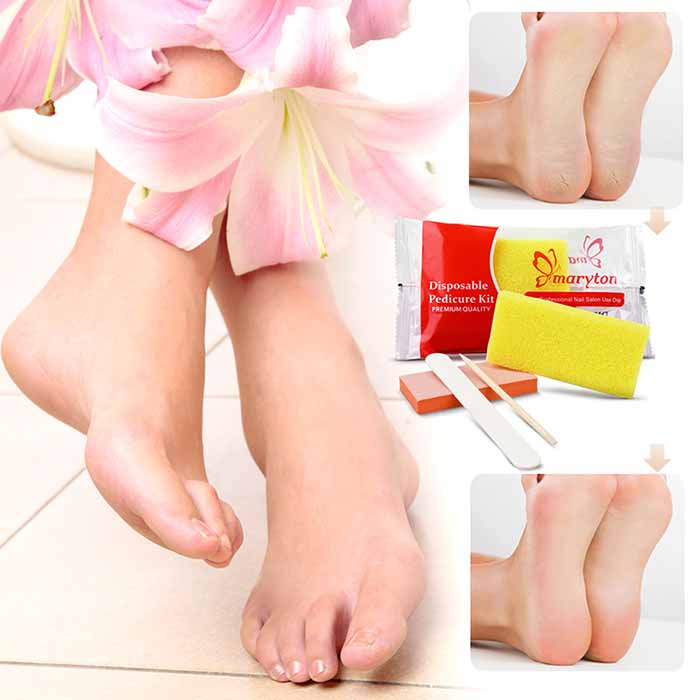
After a warm shower or a 5‑minute foot soak, use a wooden cuticle pusher or an orangewood stick to gently push back the soft cuticles. Do it once a week to keep the nail plate clean and prevent hangnails.
4. Moisturize Your Toenails and Surrounding Skin
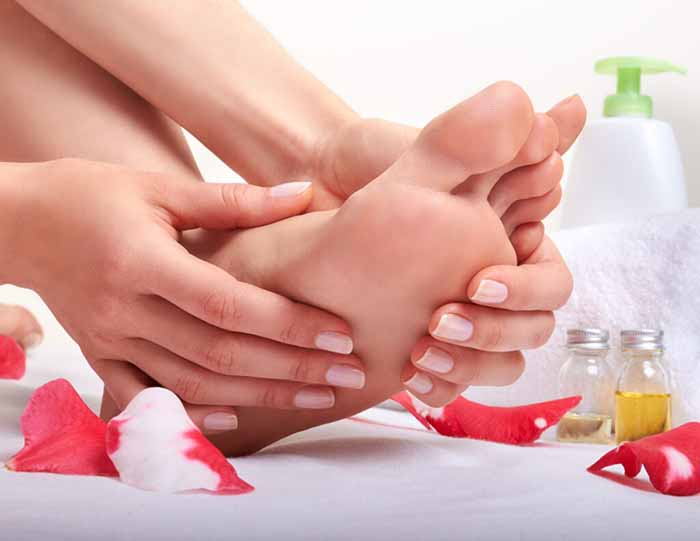
Toenails can become dry and brittle just like fingernails. Apply cuticle oil or a rich foot cream to each toe, massaging it into the nail and the skin around it. Urea‑based creams (10‑20%) are excellent for softening thick, hard toenails and preventing cracks.
Do this daily, especially after bathing. Healthy, hydrated cuticles and nail beds resist splitting and peeling.
5. Give Your Toenails a Break from Polish
Constantly wearing nail polish (especially dark colors) can stain your toenails yellow and block moisture. It also hides early signs of fungal infections (like white or yellow spots).
Take a break for a few days between pedicures. Let your toenails breathe. If you notice any discoloration, thickening, or crumbling, skip the polish and see a podiatrist.
6. Choose the Right Footwear
Tight, narrow shoes squeeze your toes together, forcing the nail edges into the skin. Over time, this can permanently deform toenails and cause ingrown problems.
Wear shoes with a wide toe box – enough room to wiggle your toes freely. Avoid high heels that cram your feet forward. If you wear work boots or athletic shoes, make sure they’re properly sized and rotate them so they dry completely between uses.
7. When to See a Doctor
Home care works for maintenance, but some signs need professional attention:
- Ingrown toenail that is red, swollen, or draining pus
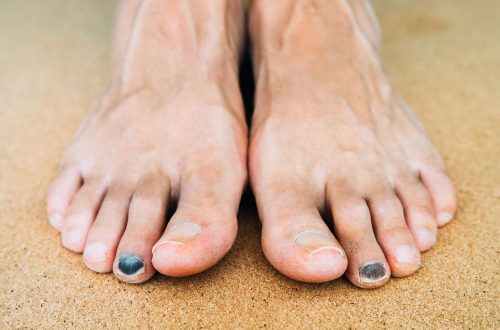
- Thick, yellow, or crumbly nail (possible fungal infection)
- Black or dark spot under the nail (could be trauma or, rarely, melanoma)
- Pain that doesn’t improve with proper trimming and soaking
- Diabetes or circulation issues – any nail problem should be checked promptly
Weekly Toenail Care Routine
- Day 1: Soak feet in warm water for 5‑10 minutes. Trim nails straight across. Push back cuticles. Exfoliate any calluses.
- Daily: Clean under nails, dry thoroughly, apply cuticle oil.
- After every pedicure polish: Remove polish after 2‑3 weeks and give nails a 2‑3 day break.
The Bottom Line
Caring for your toenails doesn’t require expensive products or hours of time. Trim straight, keep them clean and dry, moisturize often, and wear roomy shoes. A few simple habits prevent painful problems and keep your feet looking great in sandals or barefoot.
Your toes carry you every day – give them the care they deserve.
Have a toenail care question or a tip that works for you? Share it in the comments – I’d love to hear your experience!